
When Grand Seiko was re-introduced in 1988, their first models had quartz movements. Then, in 1998, Grand Seiko introduced the 9S calibre movement. The first two mechanical calibres for Grand Seiko that were introduced in 1998 were their calibre 9S51 and 9S55. The latter might sound familiar to you if you are into Seiko watches, as it was the base calibre for the 8L35(b) movements used in the Marinemaster series for example. These first two Grand Seiko movements were regulated to perform well within chronometer standards and had a power reserve of 50 hours. Since then, the 9S calibre movements have improved by (a.o.) using innovative materials (resulting in an accuracy of -5/+3 seconds a day on average) and offering a power reserve of no less than 72 hours.Grand Seiko SBGR311 20th Anniversary of 9S MovementsTo celebrate the 20th anniversary of the 9S movement, Grand Seiko decided to do us a favour and make it even harder to pick a watch from their impressive line-up. We get it already, they mastered the art of putting us watch enthusiasts in hazardous situations when saving up for one of their watches. As Ive written in one of the last Grand Seiko coverages, it took me a year to decide which model to pick. So, this 20th-anniversary Grand Seiko SBGR311 watch was definitely on my shortlist, as it was shown to us during Baselworld by the fine people of Seiko The Netherlands. And later on again, when we sat down with Joe Kirk of Seiko USA.Blue and Brown dial?Grand Seiko 20th Anniversary watches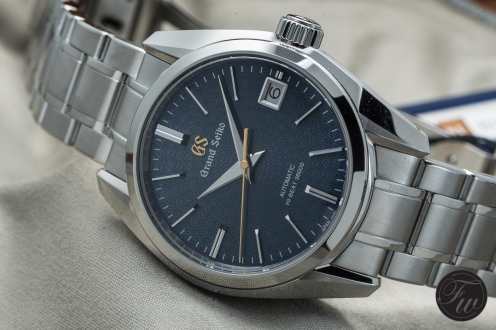 SBGH267At first, I thought this brown dial version is equal to the limited edition blue dial SBGH267, but it isnt. As the reference code indicates (SBGx, where x stands for the movement type) that we are talking about a high-beat movement here (H) and not an automatic movement (R). So, the blue dial limited edition Grand Seiko SBGH267 is the 20th-anniversary model with a hi-beat movement inside. Also, the blue dial version is a tad bit smaller with a diameter of 39.5mm instead of the 42mm case of the brown dial Grand Seiko SBGR311. And on top of it all, the case shape is also different. What is in common for sure, is the gold GS logo and seconds hand. So now that weve got this cleared up, lets have a look at the SBGR311.
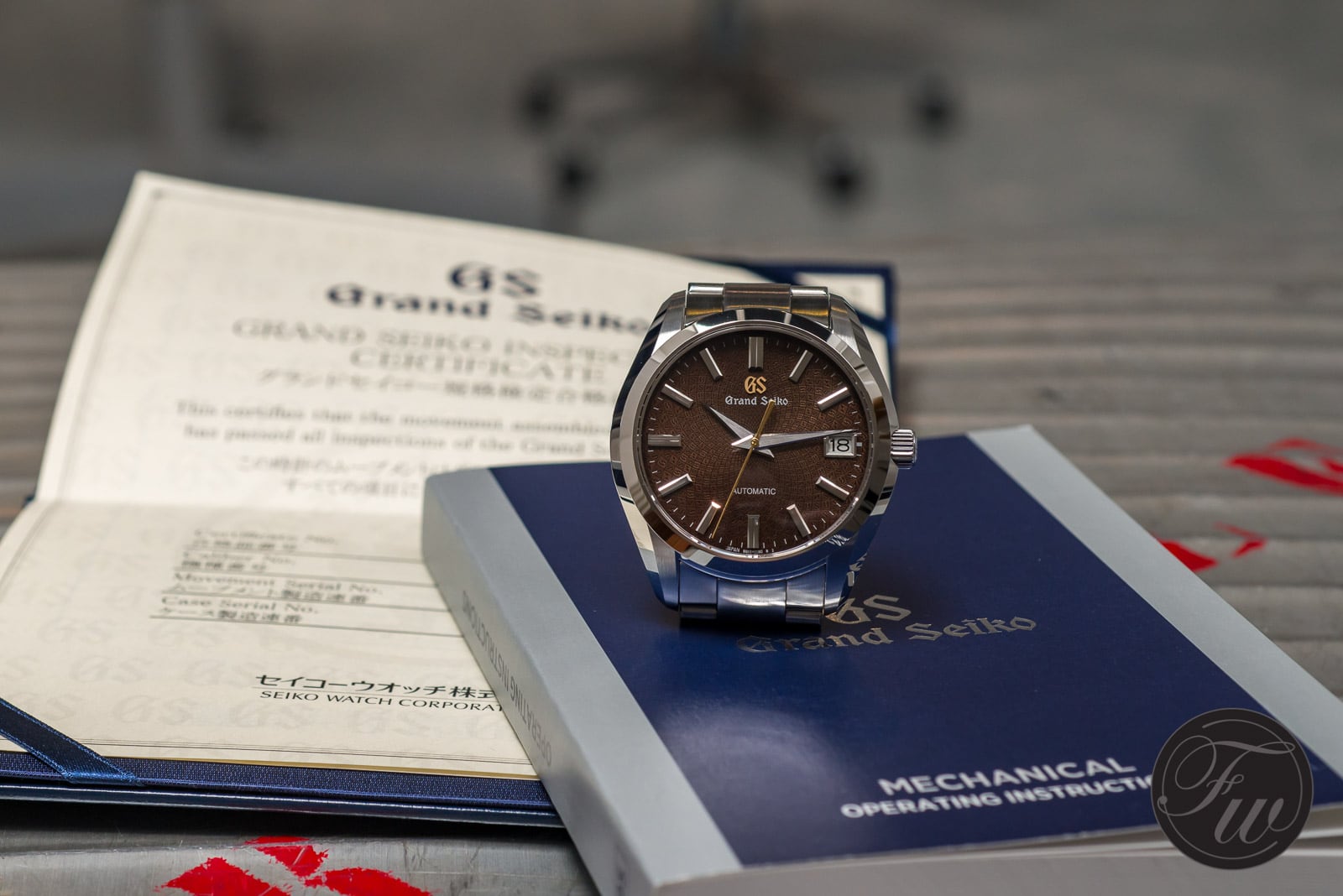 Radial Spiral PatternAlthough many (including the manufacturer) talk about the performance of the Grand Seiko watch, the dials also deserve a lot of credit. The most famous Grand Seiko dials are probably the Snowflake and Mt. Iwate, this brown dial is definitely worth your admiration as well. As always, Grand Seiko has come up with some nice wording for describing it. In the case of their Grand Seiko SBGR311, their press release let us know that the brown colour is reminiscent of the local traditional blacksmiths working iron with flames.
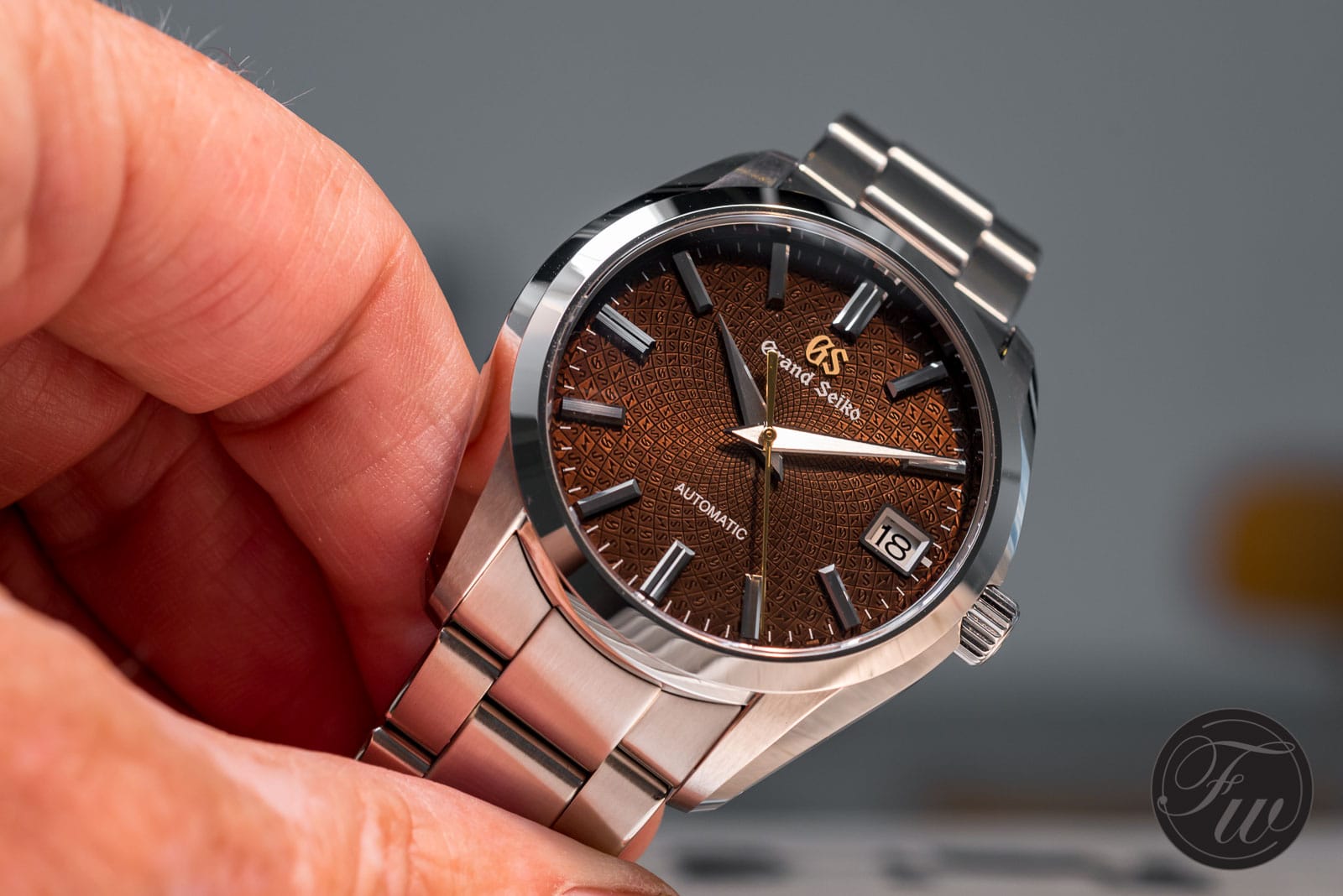 In the pattern, you will discover the G and S that stand for Grand Seiko and then there is this S-shaped character that indicates the name of the Daini Seikosha manufacture (today known as Seiko Instruments Inc, located in Morioka). As you can see on the image above that Gerard took in the studio, the brown has this golden glow. It looks amazing, especially with the earlier mentioned gold GS logo and seconds hand.The hour markers and hands are finished with the typical breathtaking eye for detail. Where other (Swiss) brands stop, as they find a certain level of quality good enough for the naked eye, Grand Seiko takes it a few steps further and ensures it also looks good under a microscope or macro lens. A great example was recently given in the Grand Seiko Owners Club Facebook group, where? 2 ?kos Balog shows three sets of hands of three different brands, including Grand Seiko ( and Omega). Click on the images below for larger versions.