
We ask a lot of our watches. Sure, they have to tell the time, but we also ask them to look good and impart something about ourselves to the world. We also require that they go with us everywhere. Water resistance once an indicator of how well a watch could stand the rigors of daily life has been incrementally cranked up to levels that most of the currently rated watches will never see. And neither will their owners. The eternal search for daily beaters and GADA (Go Anywhere Do Anything) watches, along with projecting a level of our own utility to the world via our watches has resulted in a market largely weighted towards watches that can survive harsher conditions than most humans can. But a good watch doesnt need to be able to dive. The perfect watch for you may not even need to survive the shower.Most of us arent divers. That is to say, we have no need for a watch with 200 meters or more water resistance. For most people, a watch thats able to withstand casual swimming would be able to accompany them throughout much of their lives. Swimming is considered safe for watches with at least 100 meters of water resistance. And yet we are sold (and we buy) watches with up to 1000 meters of water resistance. Being 1000 meters below the surface isnt something were trained for, even if our watches are.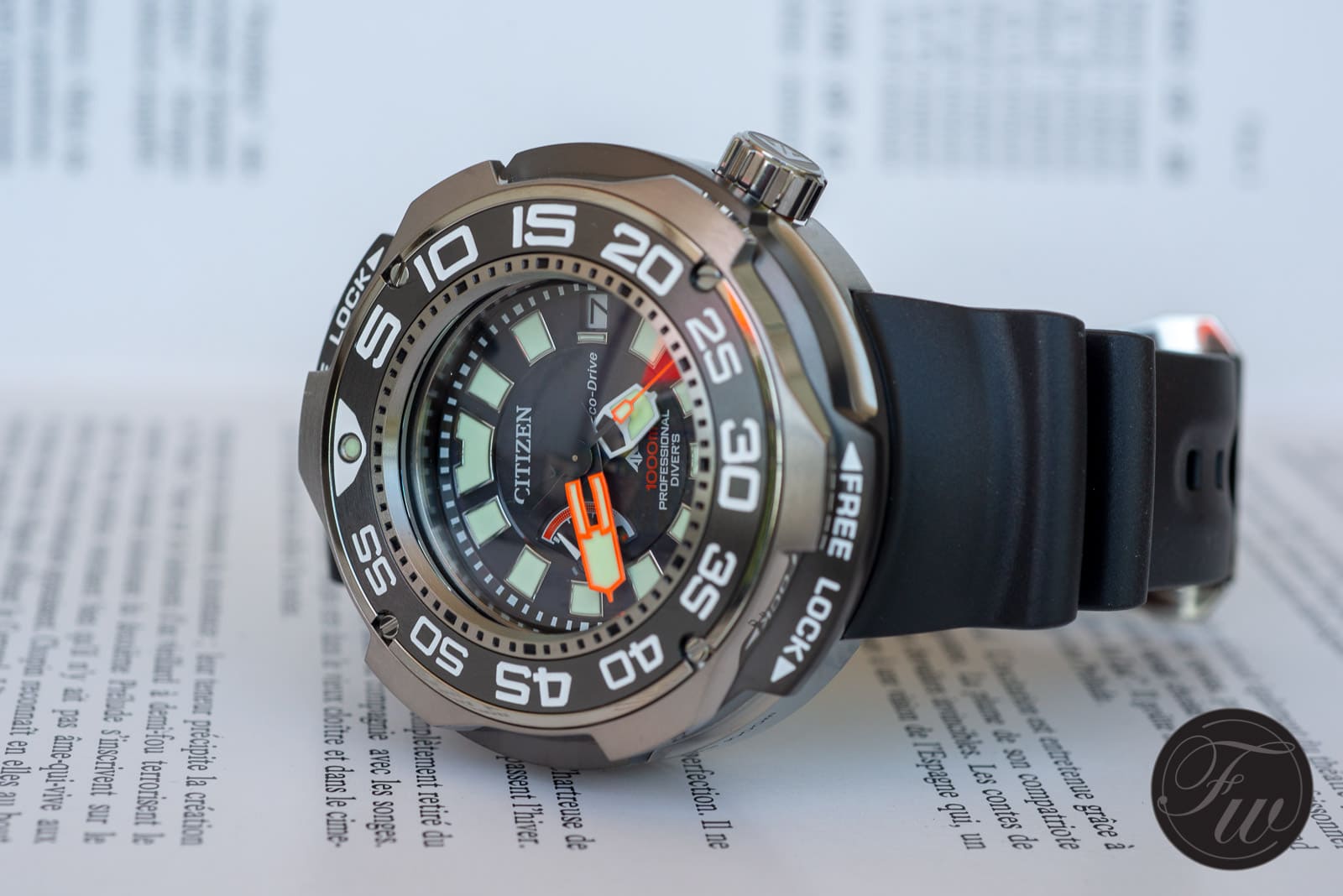 The 1000m water-resistant Citizen Promaster ProfessionalWhat is water resistance?Water resistance in watches is a phenomenon of the last century. The quest to deliver watches that could withstand the harshest environments humans were trying to put themselves in resulted in an arms race of toughness within the realm of tool watches. The industry arrived at some standard numbers of water resistance that tell us colloquially what we can do with a watch of each level. A rating of 30m (or 3 ATM) is for watches with no water in their future dry, clean land activities only. A 50m rating (also 5 ATM or 5 bar; these are all common measurements used) indicates some contact with water is acceptable. This generally translates to being caught in the rain or getting splashed. Further, 100m (10 ATM or 10 bar) is a swimming watch, capable of full immersion, but not diving.At 200m, we begin to enter dive-watch territory, suitable for higher-pressure depths in the water. But dive watches can reach all the way to 1000m and beyond in special cases. These super pressure-resistant watches are intended for saturation diving to extreme depths within a submersible craft of some sort. Its an activity only a relative few in the world participate in. All this to say that from a purely specs-focused standpoint the most water resistance any regular person going about their business could need is 100m/10 bar.
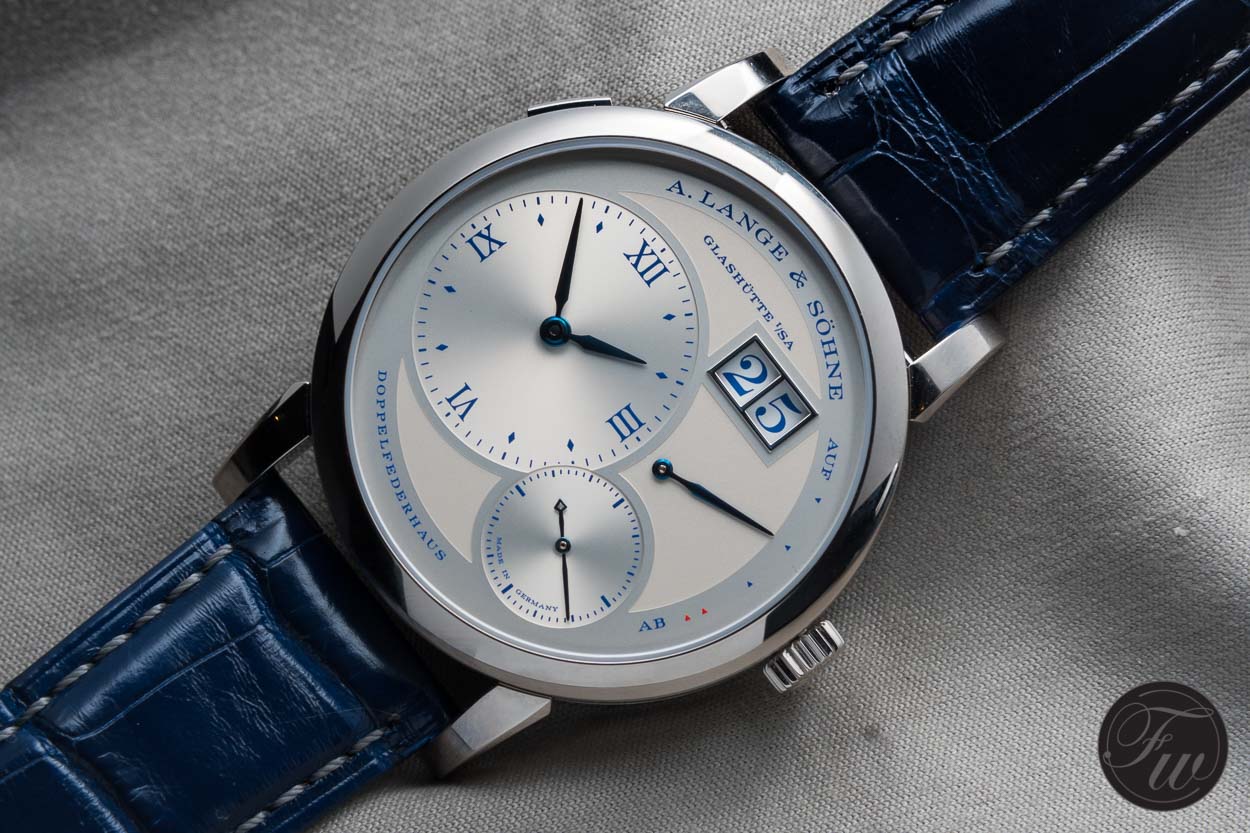
 GADA doesnt get it allBut even a 10-bar pressure rating delivers a watch that is, well, limiting in its own way, even if not to someones casual aquatic recreation. Look, I love the pursuit of the perfect GADA. The idea of one watch that can go anywhere I might is a romantic notion and an ideal that Im constantly pursuing. But to limit oneself to one watch is, again, limiting. Not to mention, most watches considered serious contestants for GADAs still cant actually go everywhere. I havent been invited to many black-tie events (count em: 1), but if I were, I certainly dont have a watch Id feel comfortable wearing. Sure, a Submariner is like a passport to anywhere nowadays, but [shakes cane from rocking chair] it aint rightAnd I sure as heck dont own one of those.Regardless of how I personally feel about modern watch parlance, the argument holds that focusing specifically on watches that are sinkable secludes someone from a whole slew of watches that could be thoroughly enjoyed, maybe even more than the favorite daily driver-diver, though not as hardily. Thank goodness the watch industry hasnt entirely caved to popular trends; there are still watches in every price range that cant survive anything more than warm breath. Its in these delicate blossoms of time that we can find extreme economy, history, extravagance, simplicity, and/or poetry. A. Lange Sohne certainly isnt putting its Outsize Date anywhere near a helium-escape valve. Thank goodness.
 Take it off!I have a problem: I dont like the idea of taking off my watches. Maybe you dont have this problem, but wristwatches have become a sort of security blanket for me. Its probably not healthy. Im working on it. But I like the idea of being prepared, even if that means just knowing the time (relaxing is another thing I have issues with). I also own just a couple of watches with less than 100m of water resistance. Hypocritical? Maybe. But I figure that Im not the only one like this. In an age when watches are less practical than before (though not entirely obsolete), we as a watch-enthusiast community may have an unhealthy attachment to our watches.Hello, my name is Thomas, and Im like to share with you that Im learning to take my watch off. If I can do it, you can too. People used to take their watches off all the time for a thorough hand washing, a shower, or a swim in the lake. People still do today, if you can believe it. Many have circumvented the issue altogether and just dont wear watches at all (fancy that).there is something ceremonial about preparing for certain activities by first removing a watch.When you open yourself to the idea that you dont need to have access to the time at all times, least of all when wet, you open yourself up to watches you never wouldve considered for yourself before. Besides, there is something ceremonial about preparing for certain activities by first removing a watch. It mentally bookends the activity cycling, swimming, soaking in hot springs within a realm of pure leisure. Relaxing is, in fact, easier without a watch once you warm up to it.
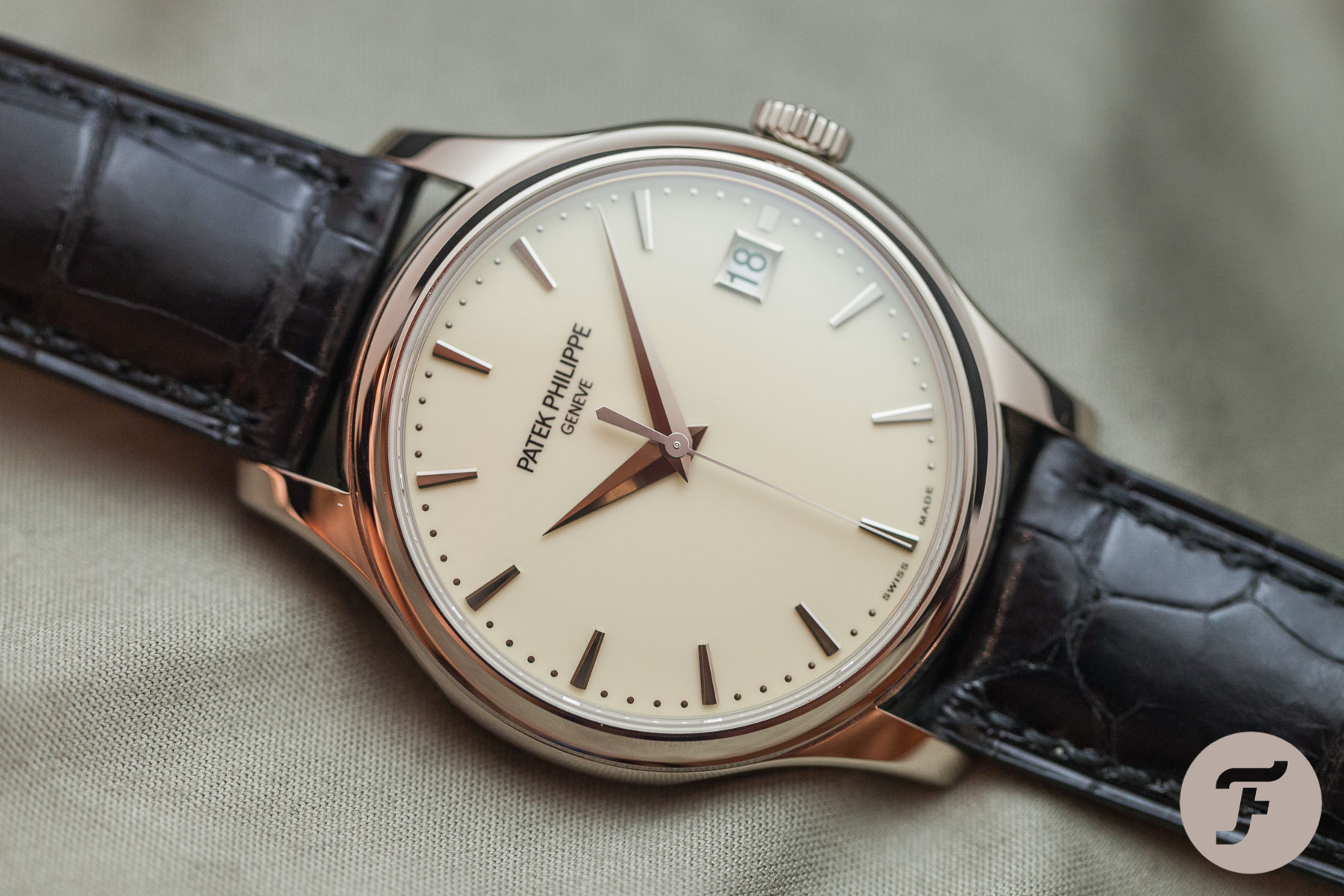 And what watches youll find!Once one softens to the idea of not needing to always wear a watch that is constantly ready to compete in a triathlon, certain watches become available that still appeal to the personality and sensibilities but possess other traits and characteristics that take the enjoyment to other places. Hand-wound movements, perhaps anachronistic, have a charm to them and a tactile interaction not found in automatics. Watches with reduced water resistance can often be smaller than those meant for diving. Ever worn a 36mm watch or smaller? Your grandpa mightve. Theyre fun and packed with old-school charm. These are properties of watches with usually less than 50 meters of water resistance.Maybe high horology is your thing. I dont care what the stated water resistance is; personally, Id never take a watch worth more than $20K anywhere near water (though I havent had the chance). But there are incredible, hand-crafted pieces with impeccable finishing available for joyous wear in certain environments. As many of these watches carrying a 3 ATM water resistance rating, moist is not an adjective applicable to said environments. Watches such as the Patek Philippe?Calatrava or Vacheron Constantin?M??tiers dArt are exclusively for dry spaces. Dont leave these watches unattended on any sandy beach blankets either.
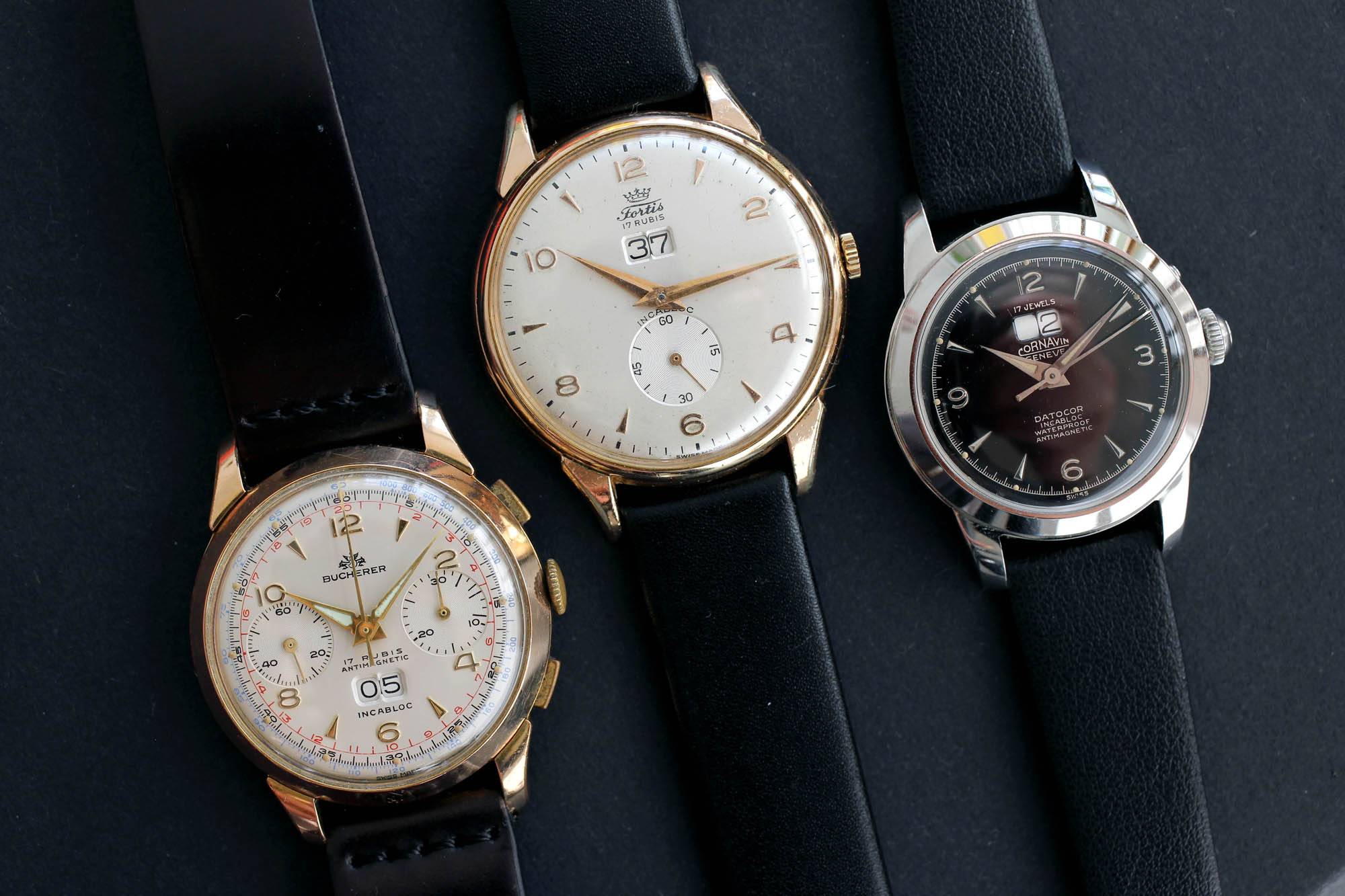 Less water resistance saves money tooVintage watches are another realm left unexplored by the water-resistance focused. Even watches with robust water ratings from 40 years ago may not be suited for water, even sometimes after servicing. Seals degrade over time, and nothing short of a pressure-resistance test can guarantee certainty. Beyond vintage dive watches, there are untold numbers of vintage watches with excellent craftsmanship, movements, materials, and design. These pieces ofter represent excellent value, and they dont give any consideration for water resistance.Its hard to make an argument for economics in a hobby as potentially expensive as ours. Nevertheless, most of us are still conscious of how much we can and do spend on watches. For collectors just starting out with limited resources, a less-equipped, simpler watch could cost less than half of a robust entry-level tool watch with 100 or 200 meters of water resistance. Knowing what one needs or wants in a watch before buying it mitigates buyers remorse or unnecessary expenses.
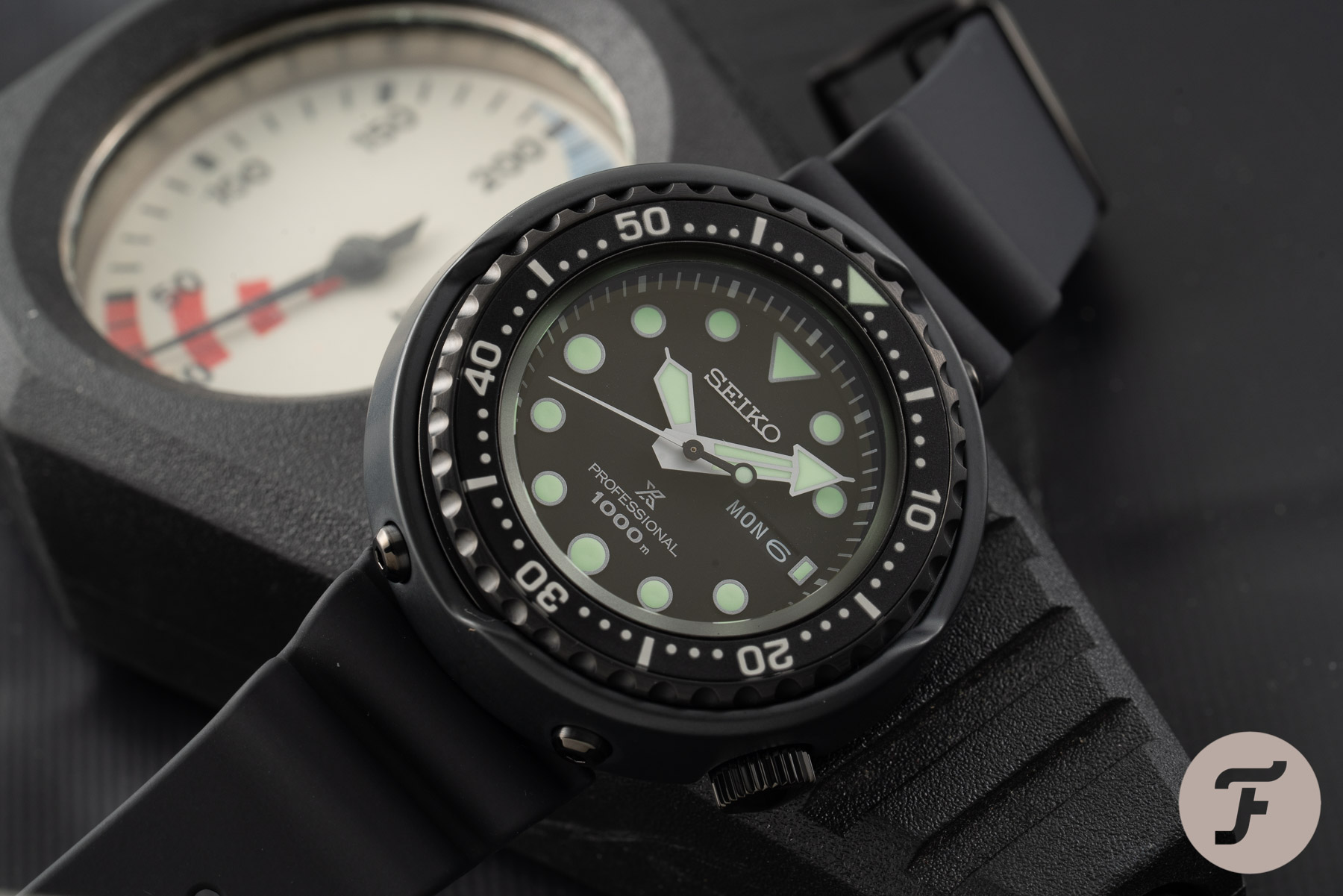 Love ALL watchesThis isnt a hit piece on the simple dive watch. I recently wrote an article on different tool-watch bezels and professed my preference for a divers bezel (and maybe argued how it was best). This isnt even about trashing watches with helium-escape valves or 1000m water resistance ratings. I think we should celebrate, collect, and wear dive watches. The Seiko Tuna is a watch with real charm and history, as is the Omega Ploprof. Tool watches occupy much of history and the current collective consciousness for good reason. Theyve done a lot of work, paved a lot of roads, and you know what? theyre cool and capable.I just think its time that the industry and customer base relax a bit on the ever-readiness that is the tool watch. Instead, we could begin exploring and appreciating watches that do an excellent job of telling time and bringing joy into our lives and not much else. Half the time I go swimming, were lucky if I even have clothes on. Why would I ever need a dive watch? (Says the guy who owns a couple.)